
The world of quantum sensors: How tiny particles help us measure the world
Dr. Judith Gabel
All information
At the level of atoms, different principles apply than those we know from our daily lives. These principles are called quantum effects and form the basis of many technologies in our everyday lives, such as computers or cell phones. However, the full potential of quantum physics extends far beyond these applications. With the ever-improving control over individual quantum particles, completely new technologies can now be realized, e.g. quantum computers or extremely sensitive quantum sensors. While quantum computers can often be read about in the press, quantum sensors receive little attention, even though quantum sensors offer exciting applications in medicine or navigation, among others, and are also significantly more developed than quantum computers.
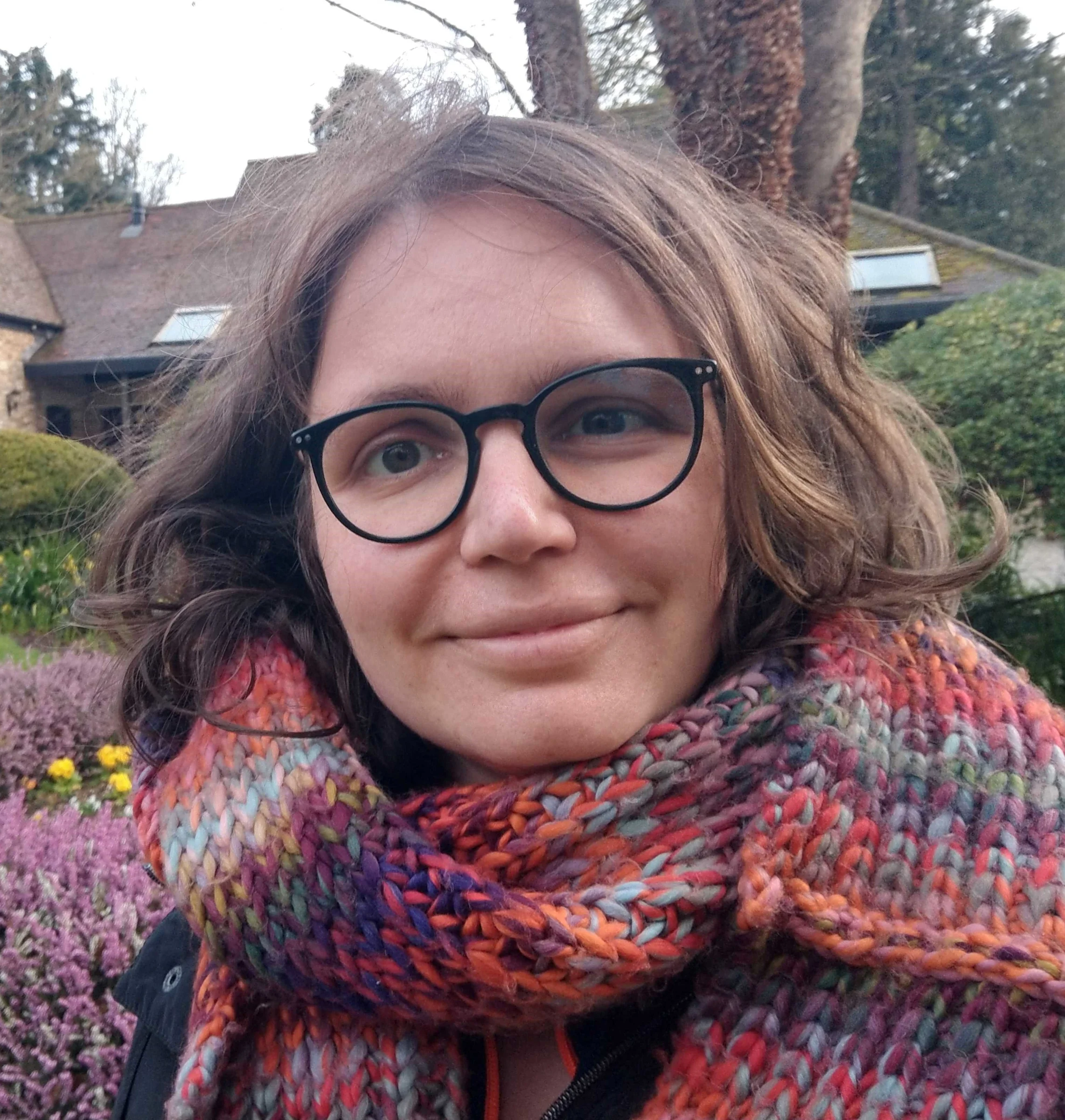
In her lecture, Dr. Judith Gabel provides insight into the world of quantum sensors and clearly explains how quantum sensors work and what role this promising technology will play in the future.
Read more...
Short CV: Dr. Judith Gabel works in the Quantum LifeLongLearning project at the two Munich universities. As part of this project, she is developing courses on quantum technologies for industry professionals and looking for effective ways to communicate the concepts of quantum science and their applications to non-technical audiences. Originally, Dr. Judith Gabel studied physics in Würzburg and Stony Brook (USA) and then received her doctorate in experimental physics in Würzburg. After completing her doctorate, she conducted postdoctoral research at a large academic institution near Oxford in the United Kingdom for three years before moving to Munich.